Mulvey states that cinema reflects society and therefore cinema reflects the patriarchal nature of society.
Mulvey's work is catagorised into three sections:
- The 'Gaze'
- Agency
- Erotic desire
This is where the 'gaze' of the camera is that of the male 'gaze'. The male 'gaze' is active whilst the female 'gaze' is passive. Throughout a narrative, Mulvey believes that the male 'gaze' is directed towards the female characters. The audience is made to identify with the male 'gaze' as the camera films from the optical as well as the lbidinal point of view of the male character.
There are three levels of the cinematic 'gaze'; the camera, character and spectator and these objectify the female character. This is known as the Triple Gaze.
The Triple Gaze :
Audience -> Camera -> Male -> Female
A consequence of the triple gaze is that audiences are forced into viewing the female as a sexual object. An example of this is found in James Bond: Doctor No, where Ursula Andress is viewed with the male 'gaze'.
In this clip, Andress is viewed through the male 'gaze' and is viewed as an object of desire. The majority or James Bond films follow this, which is why they were generally popular with males. However, James Bond: Quantom of Solace was favoured by women, and was viewed through a female 'gaze'.
The audience is constructed as though everyone was male. Women are forced to look at the text as though they were a male member of the audience.
This occurs through the process of Suture.
Agency
In classical Hollywood cinema, the male protaganist has agency- he is active and powerful. He is the agent, and the dramatic action unfolds around him. The female character is passive and powerless- she is the object of desire for the protagonist and audience.
Erotic Desire
- To be an object of erotic desire for the characters
- To be an object of erotic desire for the audience.

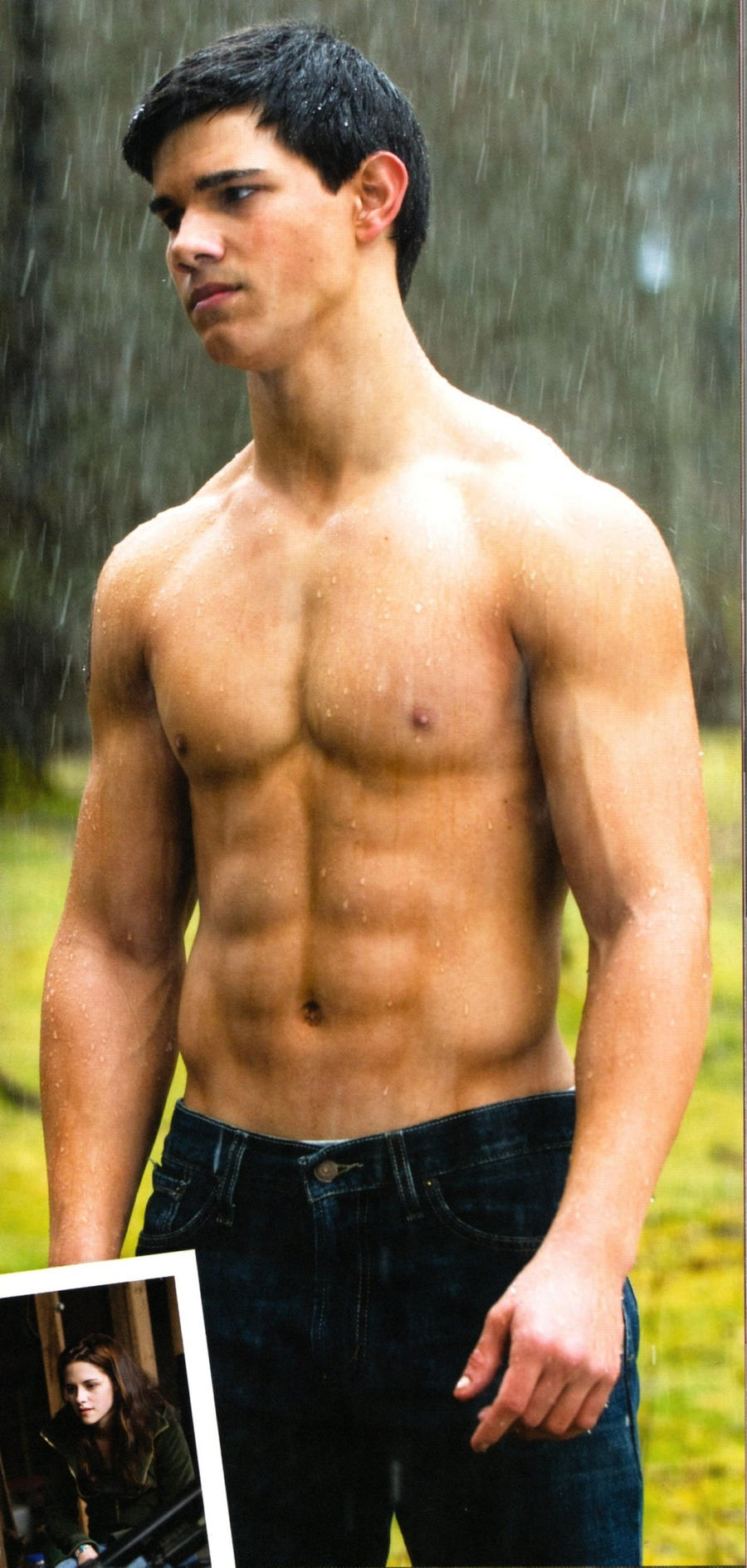
However, men are also objectified in certain texts and viewed as the object of sexual desire. An example of this would be the Twilight Saga. A saga known for its excessive use of topless-ness and attractive male characters.


No comments:
Post a Comment